Letter to the Editor: Young Children and Screen Time
Published:
On the 26th of January, we published a letter to the editor in the Irish Times, highlighting some of our recent findings at the UCD Babylab, and urging a fresh policy discussion that includes young children and parents.
While the published version was slightly edited, this is the originally submitted letter to the editor.
Dear Editor,
We were very interested to read the letter of the day published in your newspaper on January 13th. The writer, a primary school teacher, insightfully urged a discussion on younger children’s screen use that goes beyond the current policy focus of teenagers and social media. Their letter placed a much required emphasis on screen use in early childhood when the most rapid periods of brain and behavioural development occur. Despite the current shift of focus to AI in terms of global digital technology research, we are still lacking answers to basic questions on the influences and effects of screen use in infants and young children. In our Babylab at University College Dublin we explore environmental influences on children’s early development. One of our primary areas of interest relates to the content and contextual factors of toddler screen use as well as the influence of parents’ own screen use.
In a recent survey of 188 parents across Ireland, we found that 30% of toddlers exceed the HSE-recommended threshold of 60 minutes or less screen use per day. Moreover, we identified a wide range of digital programming that young children regularly engage with across modern streaming services and video platforms (e.g., Netflix, Disney+, YouTube). The current explosion in digital programming for young children may include offerings that might not be designed for their developmental stage. What’s more, the design of streaming platforms, where the end of one episode of a favourite cartoon rolls into the start of the next could make it difficult for parents to track children’s screen time. This is very different to the experience of live TV for previous generations.
The HSE published screen time guidelines for the first time in 2024, yet, beyond duration there is a lack of guidance for parents on content factors such as highly stimulating cartoons (and games) and contextual factors such as social support for parents. In this digital age it is important to provide more nuanced and practical guidance and support for children’s early engagement with screens to ensure optimal developmental outcomes for all children.
Yours sincerely,
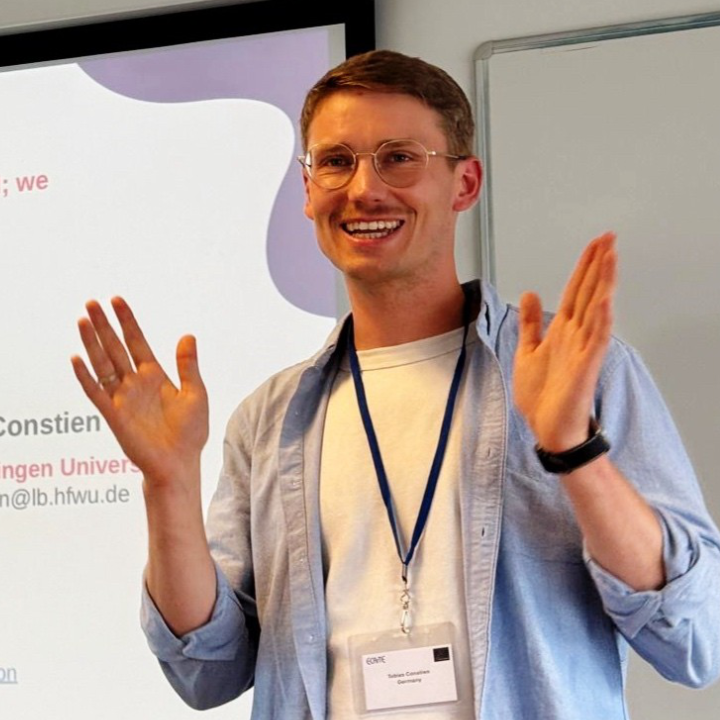
Tobias Constien at the UCD Babylab